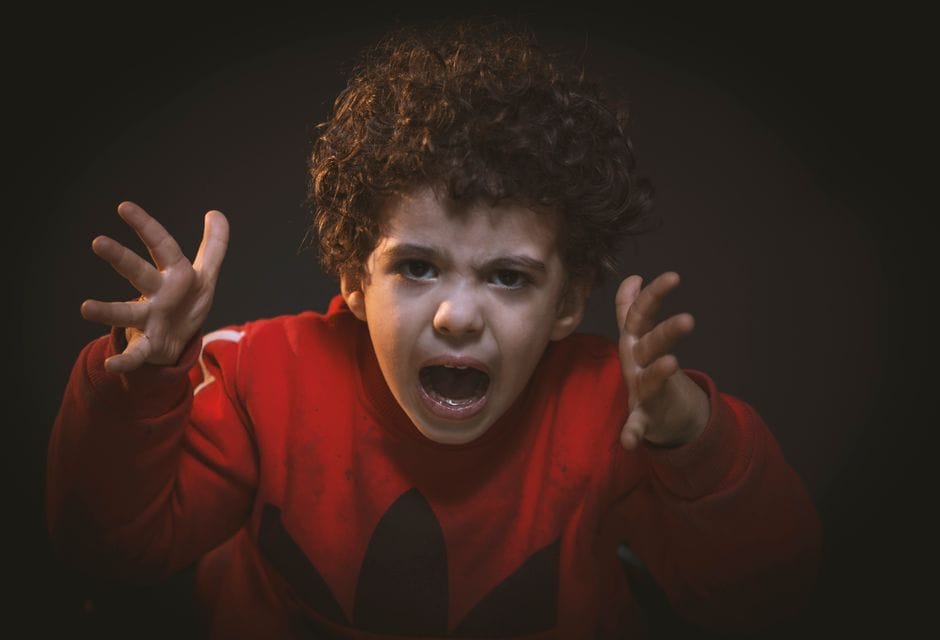
A child who throws things, yells at a teacher, or melts down over a simple homework assignment might look defiant on the surface. But underneath that explosive behavior, the real driver is often anxiety in children that has no other way out. Anxiety does not always show up as worry or withdrawal. In many kids, it disguises itself as irritability, aggression, or outright rage. When adults misread these signals, the child’s actual struggle goes unaddressed, and the behavior tends to get worse over time. Recognizing the connection between anger and anxiety in children is one of the most important things parents, teachers, and caregivers can do. Accurate identification is the first step toward getting a child the right support. At Insightful Mind Psychological Services, we regularly see families who spent years managing behavioral problems before discovering that anxiety was the root cause all along. ♣ Get the Right Answers A thorough evaluation is the first step toward clarity. At Insightful Mind Psychological Services, we provide comprehensive psychological assessments and clear, detailed diagnostic reports. Learn More Why Anxiety in Children Often Looks Like Anger Children do not process emotions the way adults do. Their brains are still developing the language and self-awareness needed to say, “I feel scared” or “I’m overwhelmed.” Instead, anxiety triggers the fight-or-flight response, and many children default to fight. Their brains are still developing the language and self-awareness needed to say, “I feel scared” or “I’m overwhelmed. When a child perceives a situation as threatening, whether it is a pop quiz, a crowded cafeteria, or a change in routine, their nervous system floods with cortisol and adrenaline. That surge of energy has to go somewhere. For some kids it becomes tears or avoidance. For others, it comes out as shouting, hitting, or refusing to cooperate. This is why so many anxious children are mislabeled as “difficult” or “oppositional.” The outward behavior masks what is really happening inside. Signs of Anxiety in Children That Adults Commonly Miss Because anxious child behavior does not always fit the stereotype of a quiet, worried kid, parents and teachers often overlook key indicators. Here are some of the most commonly missed signs of anxiety in kids: Frequent Meltdowns Over Small Triggers A child who explodes over minor changes, like sitting in a different seat or a schedule shift, may be struggling with generalized anxiety disorder. These reactions seem disproportionate to the situation, but the child’s nervous system is already running at full capacity. The small trigger is just what pushes them over the edge. Refusal to Participate or Follow Instructions What looks like defiance is often avoidance. A child who refuses to read aloud, join group activities, or try something new may be experiencing social anxiety in kids or performance-related fear. The refusal is not about power. It is about self-protection. Physical Complaints Without a Medical Cause Frequent stomachaches, headaches, nausea, or complaints of feeling “sick” before school are classic child anxiety symptoms. When a pediatrician finds nothing wrong physically, anxiety should be considered seriously. Difficulty Sleeping or Nightmares Anxious children often struggle to fall asleep, wake frequently, or have recurring nightmares. Sleep disruption then makes daytime irritability and emotional outbursts worse, creating a cycle that is hard to break without proper identification. Clinginess or Extreme Need for Reassurance Separation anxiety in toddlers is developmentally normal to a point. But when older children cannot tolerate being away from a parent, constantly ask “what if” questions, or need repeated reassurance about everyday situations, it signals something deeper than typical developmental anxiety stages. Anger vs. Anxiety: How to Tell the Difference Distinguishing between genuine behavioral issues and anxiety-driven anger is critical because the interventions are very different. Punishing an anxious child for acting out typically increases their distress, which increases the behavior. Here are some patterns that point toward anxiety rather than a purely behavioral issue: If several of these patterns are present, a formal psychological assessment can clarify what is driving the behavior. Insightful Mind Psychological Services specializes in this type of diagnostic evaluation, helping families move past guesswork and toward clear, actionable answers. The anger tends to cluster around specific situations (school, social events, transitions, new experiences) The child seems genuinely distressed after an outburst, not satisfied or empowered by it There are accompanying physical symptoms like stomachaches or muscle tension The child is a perfectionist or has an intense fear of making mistakes The behavior worsens during periods of uncertainty or change What Causes Anxiety to Present as Anger in Children? Several factors contribute to why some children externalize their anxiety while others internalize it. Temperament and Personality Some children are naturally more reactive. Their emotional responses are bigger and faster, which means anxiety is more likely to come out as an explosive reaction rather than quiet worry. Environmental Stressors Causes of child anxiety include family conflict, academic pressure, bullying, major life transitions, and unpredictable routines. Children who feel they have no control over stressful situations often express that helplessness through anger. Learned Communication Patterns If a child has not been taught emotional vocabulary or does not feel safe expressing vulnerability, anger becomes the default channel. It feels more powerful and less exposed than admitting fear. Undiagnosed Anxiety Disorders Childhood anxiety disorders, including generalized anxiety, social anxiety, and panic attacks in kids, are among the most common mental health conditions in young people. Yet they frequently go undiagnosed for years because the presenting behavior looks like something else entirely. How a Proper Assessment Changes Everything Many families come to Insightful Mind Psychological Services after years of trying different strategies for behavioral problems that never fully resolve. The missing piece is almost always an accurate diagnosis. A comprehensive psychological assessment evaluates a child’s cognitive, emotional, and behavioral functioning. It identifies whether anxiety, attention difficulties, learning differences, or a combination of factors are contributing to what adults are seeing on the surface. Without this clarity, parents and schools often cycle through interventions that do not match the actual problem. With it, every
