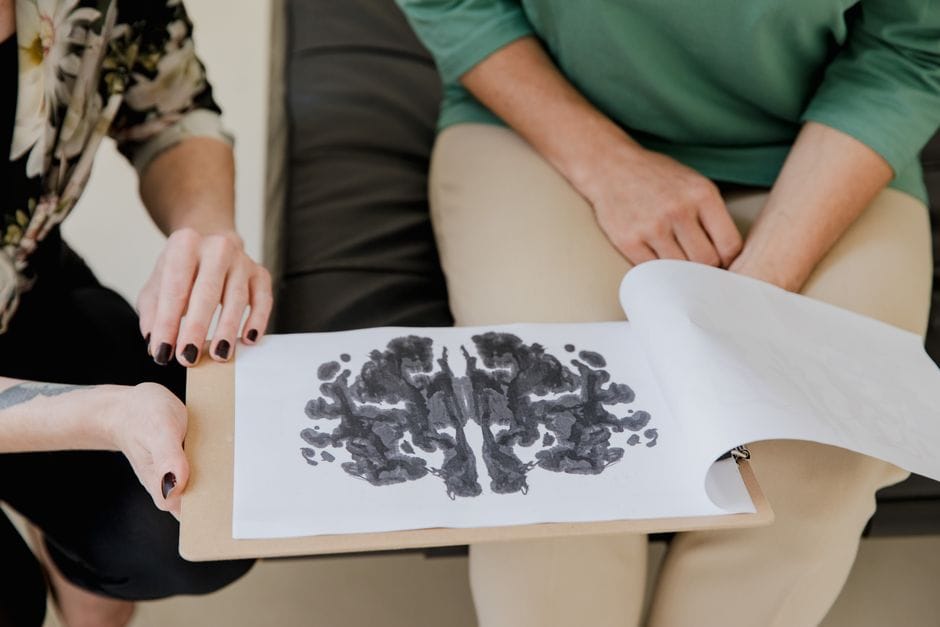
If you have been referred for psychological testing, or you are considering it on your own, one of the first questions that probably comes to mind is whether the results will actually be accurate. It is a fair concern. After all, you are investing time, energy, and money into a process that may shape important decisions about your mental health, education, career, or legal standing. The short answer is that well-administered psychological testing is one of the most reliable tools available in clinical practice. But accuracy depends on several factors, including the instruments used, the qualifications of the evaluator, and how the results are interpreted. At Insightful Mind Psychological Services, psychological testing accuracy is not taken lightly. Every evaluation is conducted using validated assessment instruments and standardized protocols, ensuring that results reflect a true and clinically meaningful picture of each individual. What Makes Psychological Testing Accurate? Psychological testing accuracy comes down to two key scientific concepts: reliability and validity. Reliability refers to whether a test produces consistent results over time. If you take the same assessment twice under similar conditions, a reliable test should yield similar outcomes. Validity refers to whether the test actually measures what it claims to measure. Standardized psychological tests, such as those used by Insightful Mind Psychological Services, go through years of rigorous development and research before they are approved for clinical use. They are normed against large, diverse populations, which means your results are compared to a well-established reference group rather than being judged in a vacuum. Tests used in clinical diagnostic testing also account for factors like age, education level, and cultural background to reduce the risk of bias. This level of psychometric test validity is what separates professional psychological evaluation from casual online quizzes or self-assessments. Reliability in Psychological Assessment A test with strong psychological assessment reliability will produce stable, repeatable results. For example, widely used cognitive assessment tools like the Wechsler Adult Intelligence Scale (WAIS) have test-retest reliability coefficients above .90, which is considered excellent in the field. This means IQ testing precision is very high when the test is properly administered. Similarly, personality assessments like the MMPI-2 and PAI have decades of research supporting their consistency. These are not guesswork. They are measurement tools backed by extensive clinical data. Validity and What It Means for Your Results Mental health test validity ensures that the assessment is truly capturing the construct it targets, whether that is depression, ADHD, autism spectrum traits, cognitive functioning, or personality characteristics. Validated assessment instruments go through multiple phases of testing, including comparisons with clinical populations and other established measures. At Insightful Mind Psychological Services, test selection is tailored to each client’s referral question, which further strengthens the accuracy of results. A one-size-fits-all approach simply does not produce meaningful data. How Accurate Is Psychological Testing Compared to Other Diagnostic Methods? Psychological testing is often more accurate than clinical interviews alone. Research consistently shows that combining standardized testing with a thorough clinical interview produces better diagnostic outcomes than relying on either method independently. In fact, studies in clinical psychology assessment have found that formal psychological evaluations have diagnostic test sensitivity and specificity comparable to many medical diagnostic procedures. For instance, certain neuropsychological testing standards yield accuracy rates that rival or exceed common medical imaging techniques when it comes to detecting cognitive impairment. This is exactly why courts, schools, disability agencies, and healthcare providers rely on formal psychological evaluation reports. The data they produce is objective, measurable, and defensible. Factors That Can Affect Psychological Evaluation Accuracy While standardized psychological tests are inherently strong tools, certain factors can influence the accuracy of results. Being aware of these factors helps ensure you get the most reliable psychological testing experience possible. Evaluator Qualifications The skill and training of the evaluator matters enormously. Psychological testing should always be conducted and interpreted by a licensed psychologist with specialized training in psychometric assessment. At Insightful Mind Psychological Services, evaluations are performed by qualified professionals who understand how to select, administer, score, and interpret each assessment tool with precision. Client Engagement and Honesty Accuracy also depends on the person being tested. Putting in genuine effort during cognitive tasks, answering personality and behavioral questions honestly, and being well-rested on the day of testing all contribute to more accurate outcomes. Most validated instruments include built-in validity scales that detect inconsistent or exaggerated responding, adding another layer of quality control. Appropriate Test Selection Using the right psychological screening instruments for the right referral question is critical. A test designed to measure cognitive ability will not give you useful information about personality traits, and vice versa. Insightful Mind Psychological Services selects assessment batteries based on each client’s specific needs, referral questions, and clinical history, which maximizes the effectiveness of the evaluation. Common Types of Psychological Tests and Their Accuracy Different types of assessments have different strengths. Here is a brief overview of some common categories and their track records for accuracy. Cognitive and IQ Testing Cognitive assessment tools like the WAIS-IV and WISC-V are among the most reliable and well-validated instruments in all of psychology. IQ testing precision is extremely high, with strong reliability and validity data spanning decades. These tests are used to identify intellectual disabilities, giftedness, learning disorders, and cognitive decline. Personality and Behavioral Assessments Personality test accuracy depends heavily on the specific instrument. Well-established tools like the MMPI-2-RF, PAI, and MCMI-IV have extensive research supporting their clinical diagnostic accuracy. These measures help identify personality patterns, emotional functioning, and psychopathology with a high degree of confidence. Less established or informal personality quizzes found online do not meet these standards and should not be confused with clinical-grade assessment. Neuropsychological Testing Neuropsychological evaluations assess brain-behavior relationships and are used to detect conditions like traumatic brain injury, dementia, and other neurological disorders. Neuropsychological testing standards require the use of well-normed, validated instruments and are considered highly accurate when administered by trained professionals. Why Clients Trust Insightful Mind Psychological Services for Accurate Evaluations Insightful Mind Psychological Services specializes in providing accurate psychological
